XSLTサポートでXML変換を自動化
XSLTを使用した構造化ドキュメントツールにより、データの書式設定や複雑なXMLワークフロー間での統合のための反復可能な変換が可能
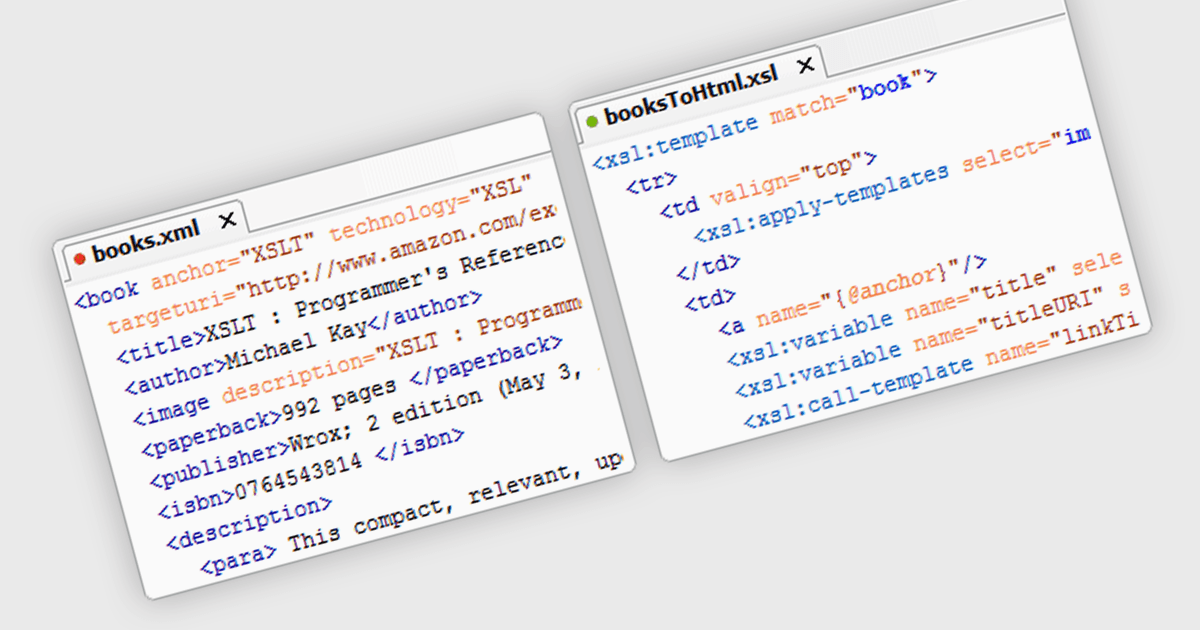
構造化ドキュメントツールにおけるXSLTのサポートにより、開発者は、XSLT(Extensible Stylesheet Language Transformations)標準を使用して、XMLデータをHTML、プレーンテキスト、または異なるXML構造などの他の形式へ変換することを定義できます。この機能により、手作業を介さずに、ドキュメントの自動整形、データ抽出、コンテンツの適応が可能になり、特に、構造化データの一貫性と再現性のある処理が求められる環境で有用です。XSLTをサポートすることで、既存のXMLベースのワークフローとの統合が促進され、複雑なドキュメント構造をプログラムで操作しやすくなり、データ変換の保守性と再利用性が向上します。
XSLTは主に3つのバージョンを経て発展し、それぞれがXMLデータ変換の機能を拡張してきました。元のW3C標準であるXSLT 1.0は、基本的な変換機能を提供し、広くサポートされています。XSLT 2.0では、強力なデータ型付け、正規表現、グルーピング、より良いXPathサポートなどが導入され、より強力で保守しやすい変換が可能になりました。XSLT 3.0は、ストリーミングによる大規模ドキュメントの処理、高階関数、JSONおよびマップとの統合をサポートすることでこれをさらに発展させ、複雑な処理や大量処理におけるパフォーマンスと柔軟性が向上します。
いくつかの構造化ドキュメントツールでは、XSLT 1.0、2.0、3.0をサポートしています。例えば:
- Oxygen XML Editor Enterprise(Syncro Soft)では、スキーマに対応したバリデーションとストリーミングサポートにより、XSLT 1.0、2.0、3.0の変換を実行できます。
- Altova XMLSpy Enterprise XML Editorは、グラフィカルデバッグと高性能な変換実行を備えた、堅牢なXSLT 1.0、2.0、3.0の処理を可能にします。
- Stylus Studio XML Enterprise Suiteでは、視覚的なマッピング、プロファイリング、統合デバッグツールを用いて、XSLT 1.0、2.0、3.0のパイプラインを設計し、実行できます。
- Liquid Studio XML Editor Edition(Liquid Technologies)では、リアルタイムプレビューとパフォーマンスチューニングにより、XSLT 1.0、2.0、3.0スタイルシートの実行を容易にします。
機能と価格の詳細な分析については、構造化ドキュメントツールの比較をご覧ください。