













公式サプライヤー
公式および認定ディストリビューターとして200社以上の開発元から正規ライセンスを直接ご提供いたします。
当社のすべてのブランドをご覧ください。
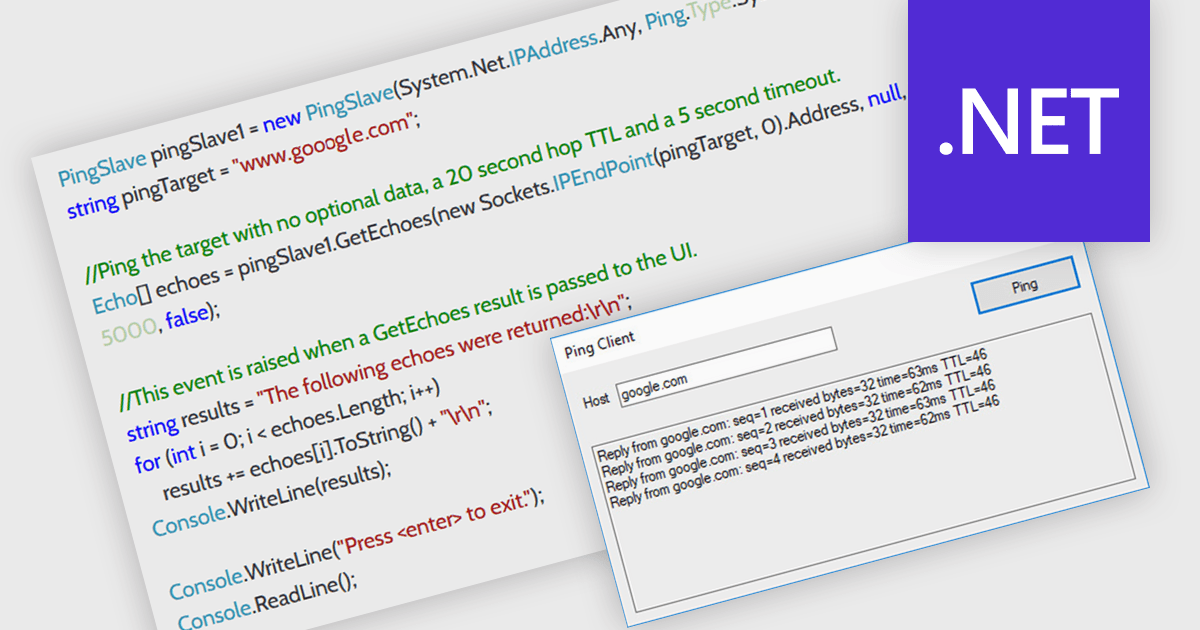
In a .NET communication component, ping support refers to the ability to send a simple message to a remote endpoint to verify its connectivity and responsiveness. This functionality is valuable for developers as it allows them to proactively check if the target device or service is online before attempting data exchange. This can help identify potential connection issues early in the communication process, improving the overall reliability and efficiency of the application.
Several .NET communications and messaging components offer ping support including:
For an in-depth analysis of features and price, visit our comparison of .NET Comms & Messaging components.

DNS support within a communications component translates human-readable domain names into machine-readable IP addresses. This functionality simplifies communication by enabling developers to use domain names in their code, which are easier to remember and manage compared to numeric IP addresses. DNS support also facilitates service discovery, especially in dynamic environments where IP addresses can change frequently. By relying on DNS, applications can connect to services using domain names, ensuring uninterrupted communication even when the underlying IP addresses are updated.
Several .NET communications and messaging components offer DNS support including:
For an in-depth analysis of features and price, visit our comparison of .NET Comms & Messaging components.
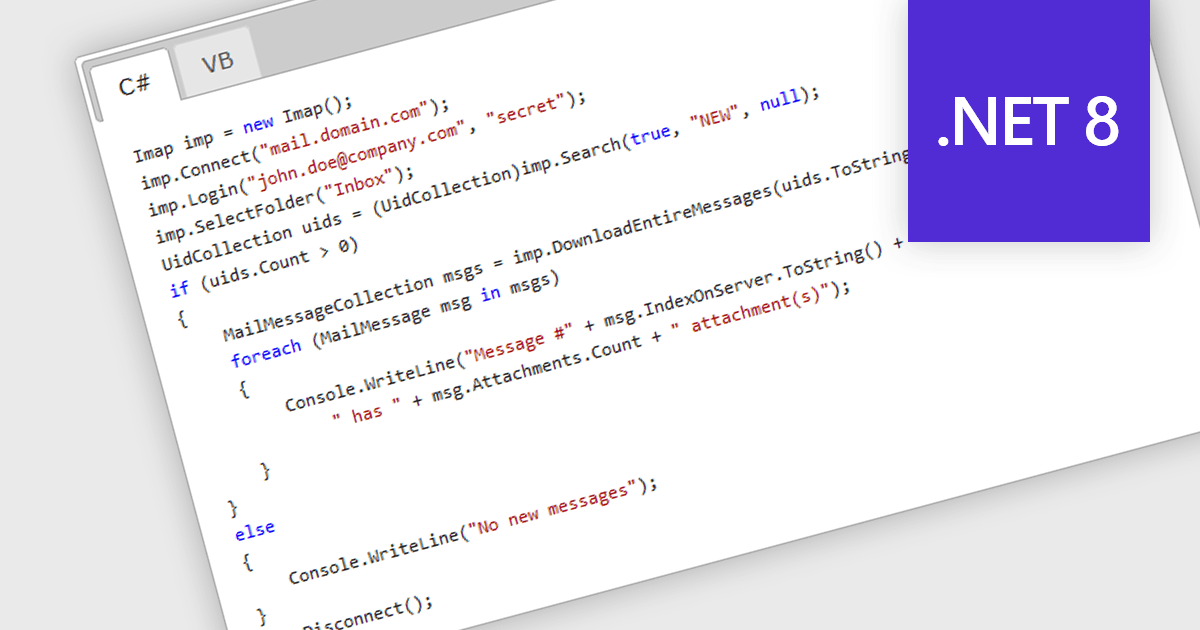
IMAP, or Internet Message Access Protocol, is a software communications protocol that allows email clients to retrieve, organize, and manipulate email messages stored on a remote server. Unlike POP3, another common protocol, IMAP enables multiple devices to access and manage the same mailbox simultaneously, keeping all copies in sync. This provides developers with greater flexibility when building applications that require real-time access and centralized email management.
Several .NET 8 Comms & Messaging components offer IMAP support including:
For an in-depth analysis of features and price, visit our comparison of .NET 8 Comms & Messaging.
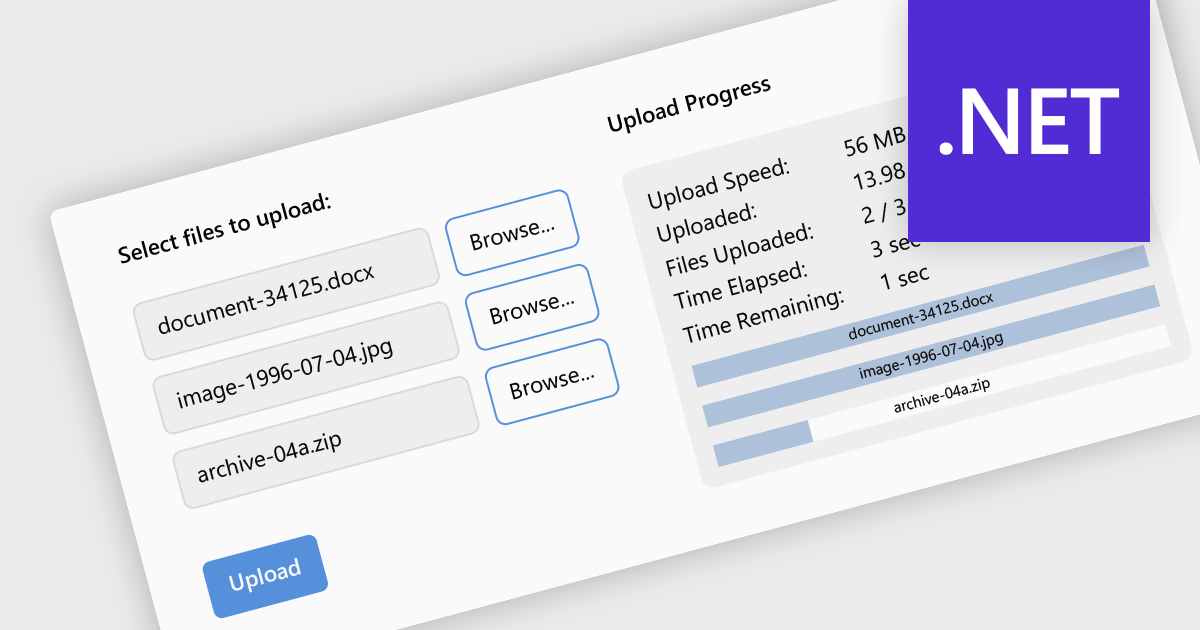
Leveraging a communications component for file uploads in your .NET application streamlines development and enhances maintainability. These pre-built components handle the complexities of file transfer protocols and boundary conditions, allowing you to focus on core application logic. Additionally, they often provide features like progress tracking and error handling, improving the user experience and simplifying debugging. By enabling file uploads, your application can collect user-generated content, facilitate document sharing, or streamline data ingestion, enriching the overall user experience and potential use cases for your app.
Several .NET communications and messaging components support the upload of files to web servers, including:
For an in-depth analysis of features and price, visit our comparison of .NET comms & messaging components.
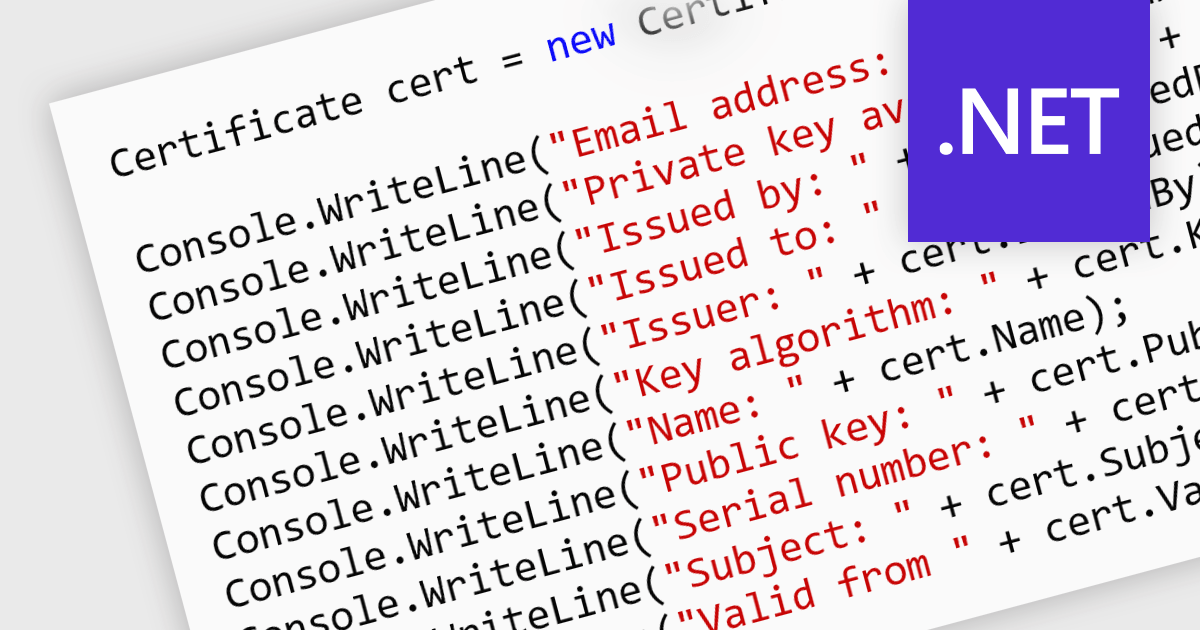
Digital certificates act as electronic credentials that authenticate the identities of communicating parties. They establish trust by verifying ownership of a public key through a trusted third-party (Certificate Authority) and enable secure data exchange through encryption and decryption using public-key cryptography. This ensures data integrity and confidentiality, mitigating risks like man-in-the-middle attacks in .NET applications.
Several .NET communications and messaging components offer digital certificate features including:
For an in-depth analysis of features and price, visit our .NET comms & messaging components comparison.
電話: (888) 850 9911
Fax: +1 770 250 6199


