








公式サプライヤー
公式および認定ディストリビューターとして200社以上の開発元から正規ライセンスを直接ご提供いたします。
当社のすべてのブランドをご覧ください。
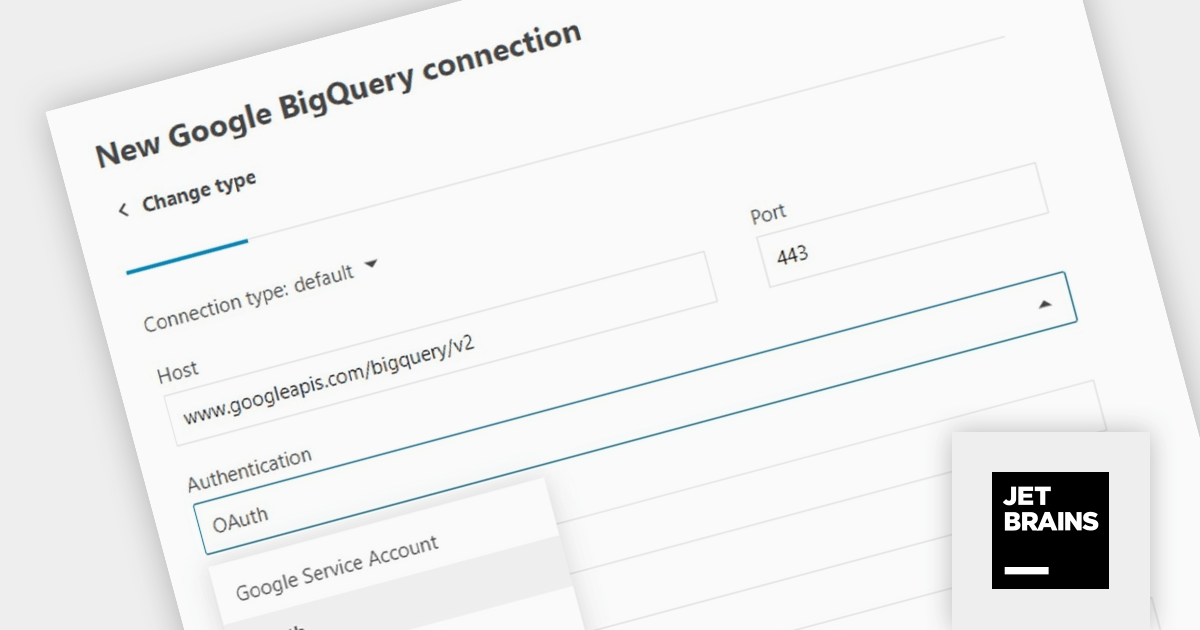
Datalore is a collaborative data science platform that streamlines insight delivery and helps data science and business teams become more productive. It can be used for data collection and exploration, machine learning, interactive visualization and reporting.
Version 2023.6 simplifies connection to your Snowflake or BigQuery databases thanks to OAuth authentication. This feature ensures the security of your database connections and saves time and effort when connecting. An easily visible icon in your SQL cell provides ongoing information about your authentication status. You can effortlessly reauthenticate with a single click if required.
To see a full list of what's new in version 2023.6, see our release notes.
For more information, visit our Datalore product page.
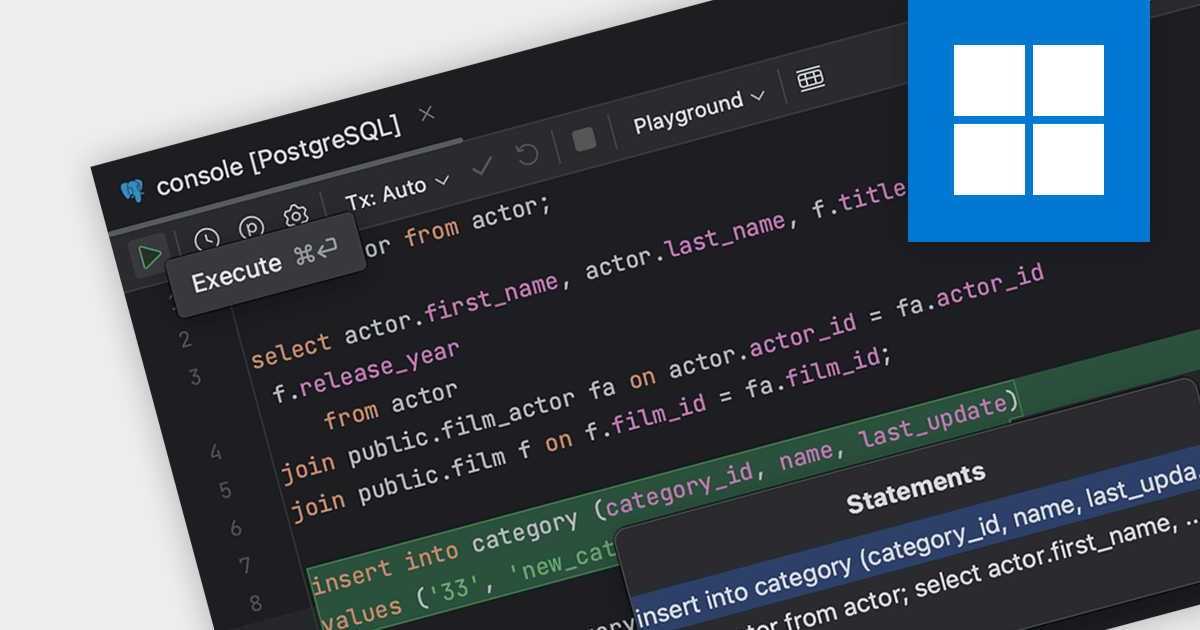
SQL capabilities allow IDE users to manage databases, execute queries and edit stored database procedures. IDEs with SQL support provide a seamless environment for database design, management, and maintenance, crucial for backend development and data analysis tasks.
Several IDEs support SQL features including:
For an in-depth analysis of features and price, visit our IDEs comparison.
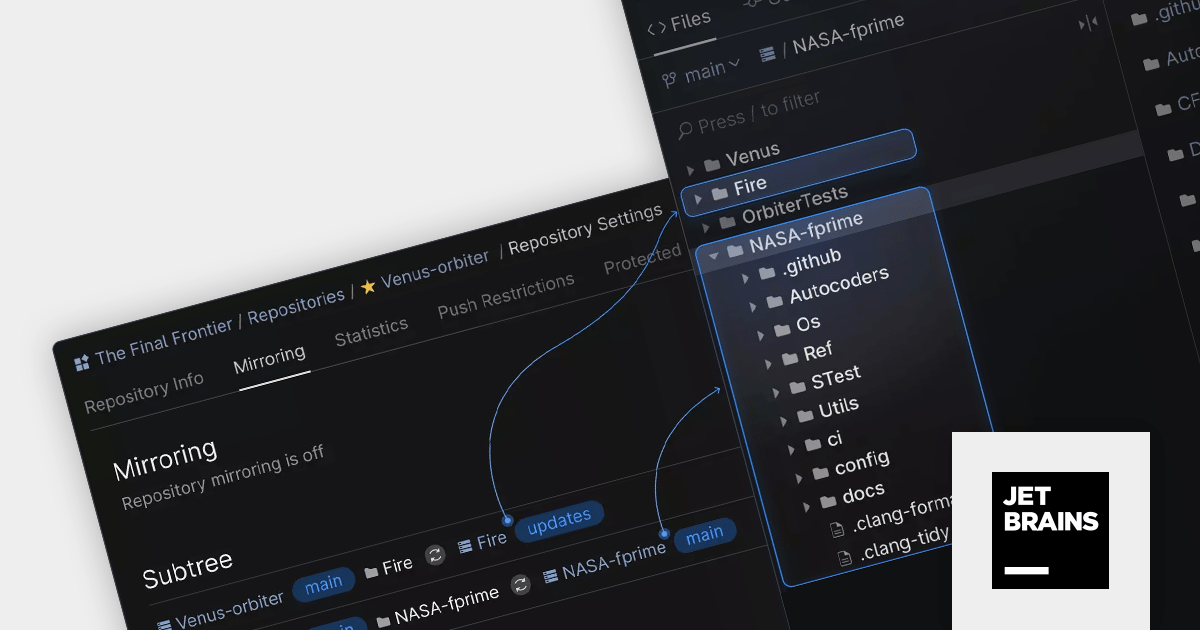
Space Cloud by JetBrains is a cloud-based platform for developing and managing software projects. It offers a suite of tools and features for collaborative development, including Git hosting, code reviews, issue tracking, CI/CD, and more. Space Cloud is hosted and maintained by JetBrains, so you don't have to worry about the infrastructure or maintenance of your development platform.
The new version adds support for Git Subtrees which help you embed and automatically maintain the contents of multiple Git repositories within a single Space repository. It features instant bidirectional server-side synchronization and complete automation, so that you can focus on actually coding instead of having to keep everything in sync manually.
To see a full list of what's new in the latest version, see our release notes.
For more information, visit our Space Cloud product page.
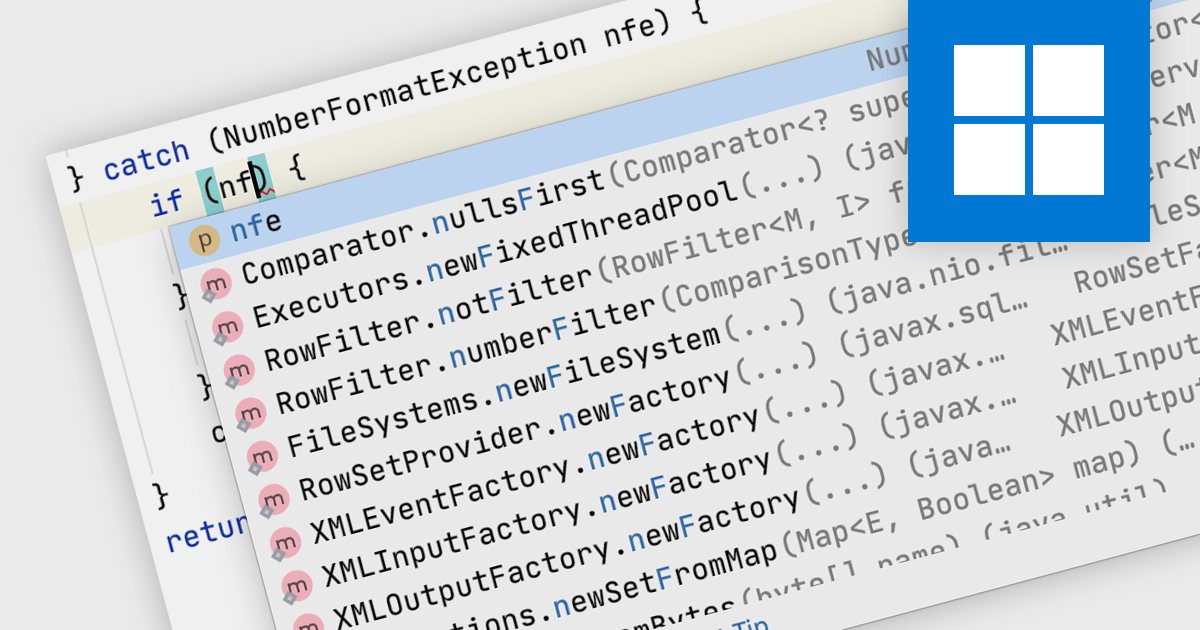
Code Completion is a feature in IDEs that predicts the code you're trying to write and offers suggestions to complete it. This accelerates the coding process, reduces typos, and enhances developer productivity by minimizing the amount of code that needs to be typed manually.
Several IDEs support code completion including:
For an in-depth analysis of features and price, visit our IDEs comparison.
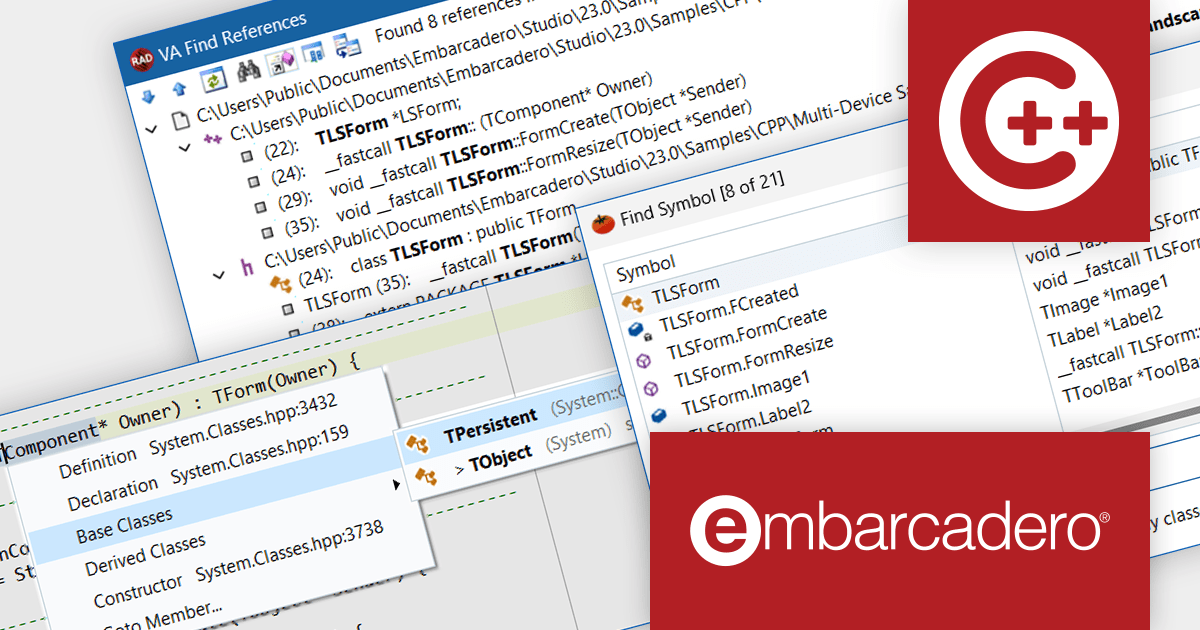
Delphiは、Windows、macOS、Linux、モバイル向けのシングルソース、マルチプラットフォーム、高性能アプリケーションを迅速に開発するための先進的な統合開発環境(IDE)です。
Delphi 12 Athensリリースでは、Skiaとの統合が追加されました。Skiaは、さまざまなハードウェアおよびソフトウェアプラットフォームで動作する共通のAPIセットを提供する、人気の高い2Dグラフィックスライブラリです。Skiaは、Google Chrome、ChromeOS、Android、Flutter、Mozilla Firefoxを含む多くの人気製品のグラフィックエンジンとして使用されています。Delphi開発者はこの機能を活用し、自身のアプリ内のグラフィックス品質とパフォーマンスを向上させることができます。
バージョン12 Athensの新機能については、リリースノートをご覧ください。
C++Builderは以下の製品で購入できます:
電話: (888) 850 9911
Fax: +1 770 250 6199


