





公式サプライヤー
公式および認定ディストリビューターとして200社以上の開発元から正規ライセンスを直接ご提供いたします。
当社のすべてのブランドをご覧ください。
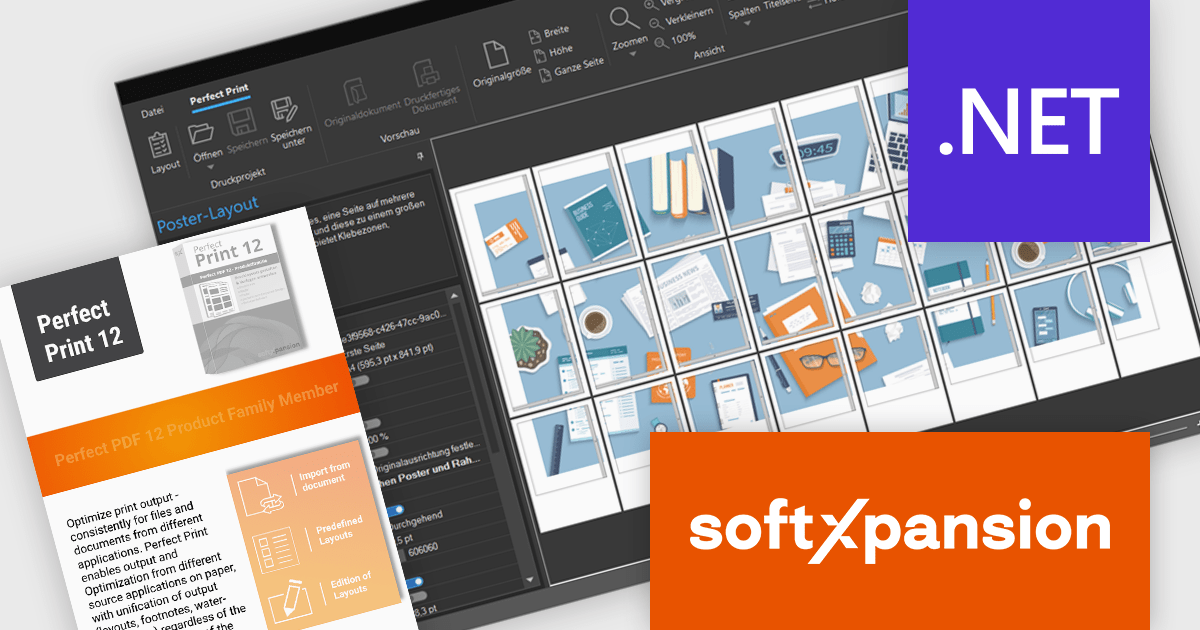
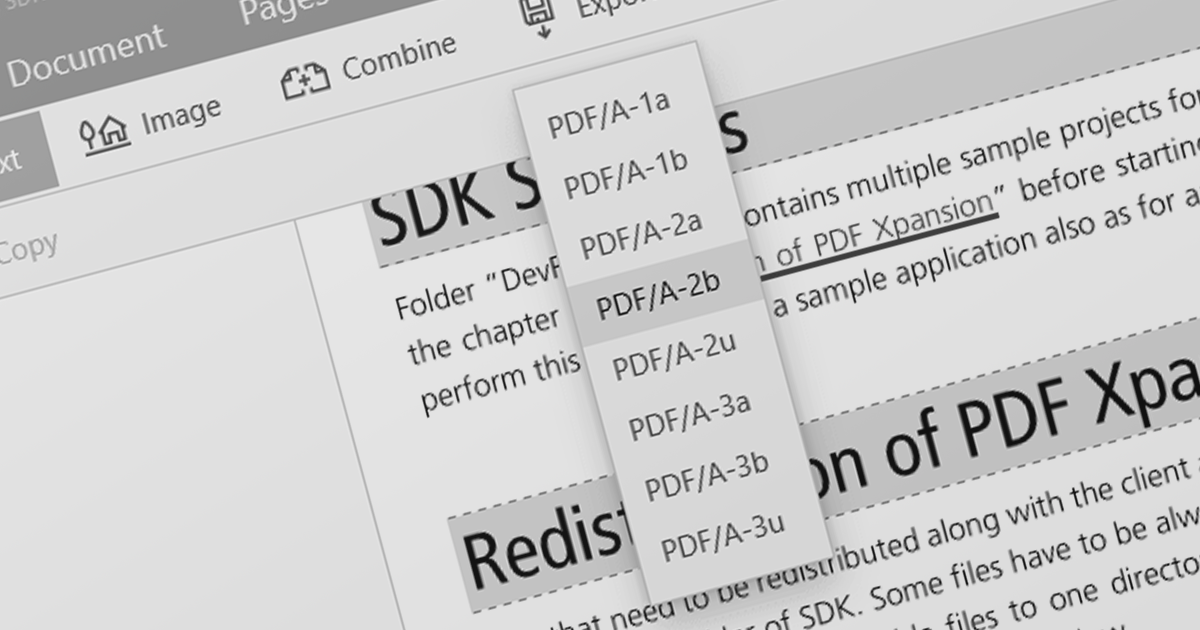
Soft Xpansion's PDF Xpansion SDK E-Invoicing equips developers with tools for integrating electronic invoice functionalities into their applications. This SDK supports processing common e-invoice formats like ZUGFeRD, Factur-X, and XRechnung. Developers can leverage functionalities for creating, editing, and displaying compliant invoices within their software. Additionally, the SDK facilitates data extraction from these invoices, enabling seamless integration with accounting or enterprise resource planning (ERP) systems.
The PDF Xpansion SDK - E-Invoicing (Receipt) v17 update introduces the Perfect Print feature, enabling software developers to efficiently generate large volumes of personalized PDF documents using customizable templates. This functionality ensures a consistent and professional layout across all documents by incorporating shared design elements such as letterheads, headers, and footers while allowing the inclusion of dynamic, customer-specific data. By automating the creation process, the feature minimizes manual effort, reduces the risk of errors, and significantly enhances productivity, making it an ideal solution for applications that require scalable and reliable document generation. Perfect Print is an add-on feature that is subject to an additional fee. It is available on separate request, please contact us for details.
To see a full list of what's new in v17, see our release notes.
Soft Xpansion is licensed per company location. Additionally, Maintenance Subscription is available which includes product updates and technical support for 1 year. See our PDF Xpansion SDK - E-Invoicing (Receipt) licensing page for full details.

PDF annotations in PDF Viewer components allow users to interact with and mark up documents directly within an application. This functionality is critical for workflows requiring collaborative review, document editing, or enhanced personalization of PDFs, offering a seamless experience for annotating without requiring external tools. By embedding annotation capabilities, applications can boost productivity and streamline document-centric tasks.
Common features include:
For an in-depth analysis of features and price, visit our React PDF Viewer components comparison.
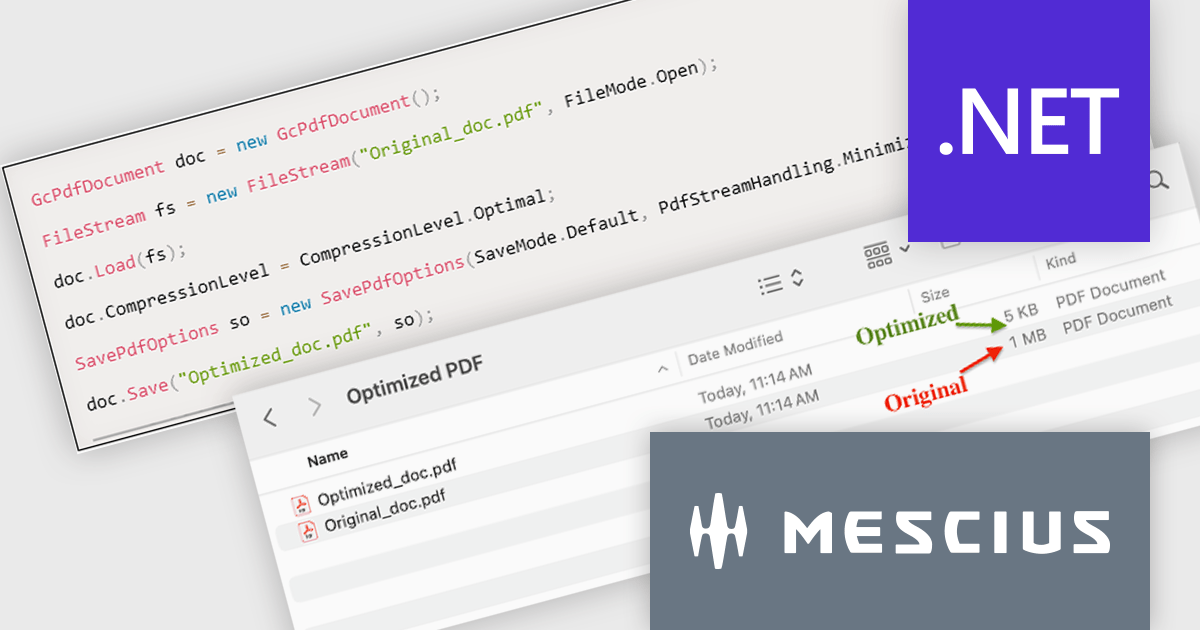
Document Solutions for PDF (DsPdf) by MESCIUS is a software development toolkit that provides .NET Core libraries and a JavaScript PDF viewer for manipulating and displaying PDFs. DsPdf enables developers to create, edit, annotate, and redact PDF documents directly within web applications. The included DsPdfViewer component offers a feature-rich, cross-platform solution for viewing and interacting with PDFs in modern browsers on various operating systems, including mobile devices.
The Document Solutions for PDF version 8.0.0 update introduces the new SavePdfOptions class, providing developers with control over PDF saving processes. This enhancement allows for the optimization of PDFs by enabling object streams (PDF 1.5), which reduces file size, improves compression efficiency, and streamlines document handling. By leveraging these capabilities, users can configure how PDF data is stored and processed, ensuring faster load times and seamless integration into workflows. This feature empowers developers to create tailored solutions that balance performance, storage efficiency, and application requirements.
To see a full list of what's new in version 8.0.0, see our release notes.
Document Solutions for PDF is licensed per developer and is available in several license options for differing distribution needs. Team licenses are also available for multiple developers within the same organization. See our Document Solutions for PDF licensing page for full details.
Document Solutions for PDF is available to buy individually or as part of Document Solutions .NET Bundle.
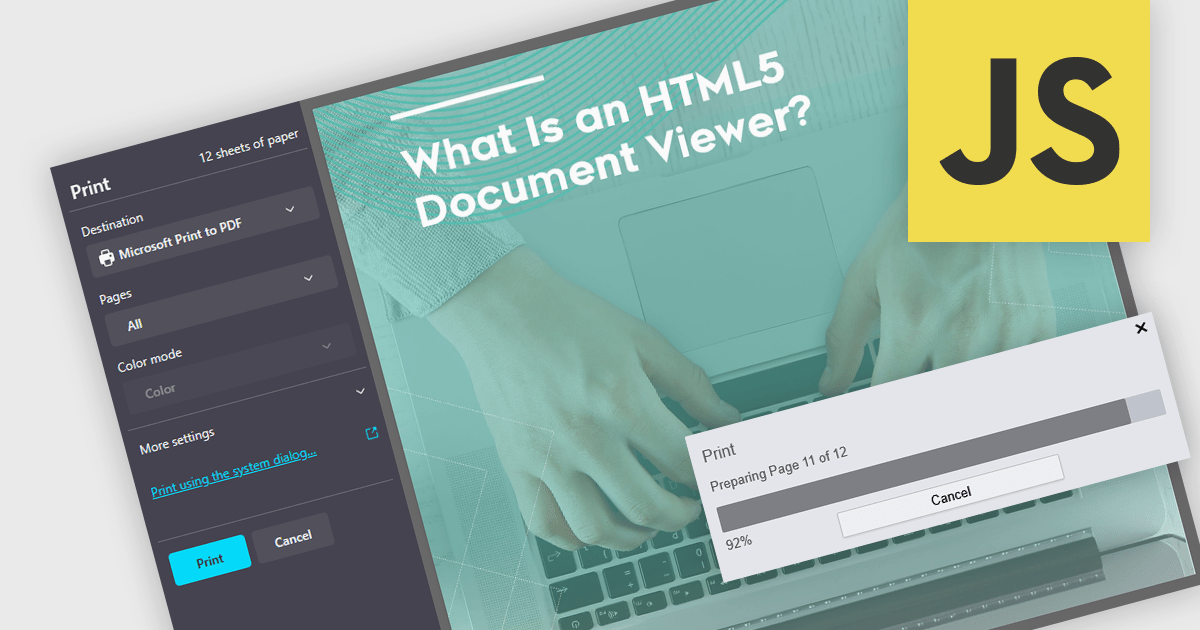
Printing to PDF allows users to save an existing document, webpage, or file as a PDF by using a virtual printer. It captures the document exactly as it would appear if printed, preserving the formatting, layout, and styling. The resulting document is typically static and cannot be edited, ideal for archiving or sharing finalized versions of a document. This feature is particularly useful for standardizing outputs across different software, ensuring consistent presentation, and providing an easy way to generate PDFs from files that do not natively support the format. By integrating PDF viewers with this functionality, developers can streamline the creation of high-quality, portable documents directly from a wide range of applications.
Several JavaScript PDF viewers allow users to print to PDF, including:
For an in-depth analysis of features and price, visit our comparison of JavaScript PDF viewers.
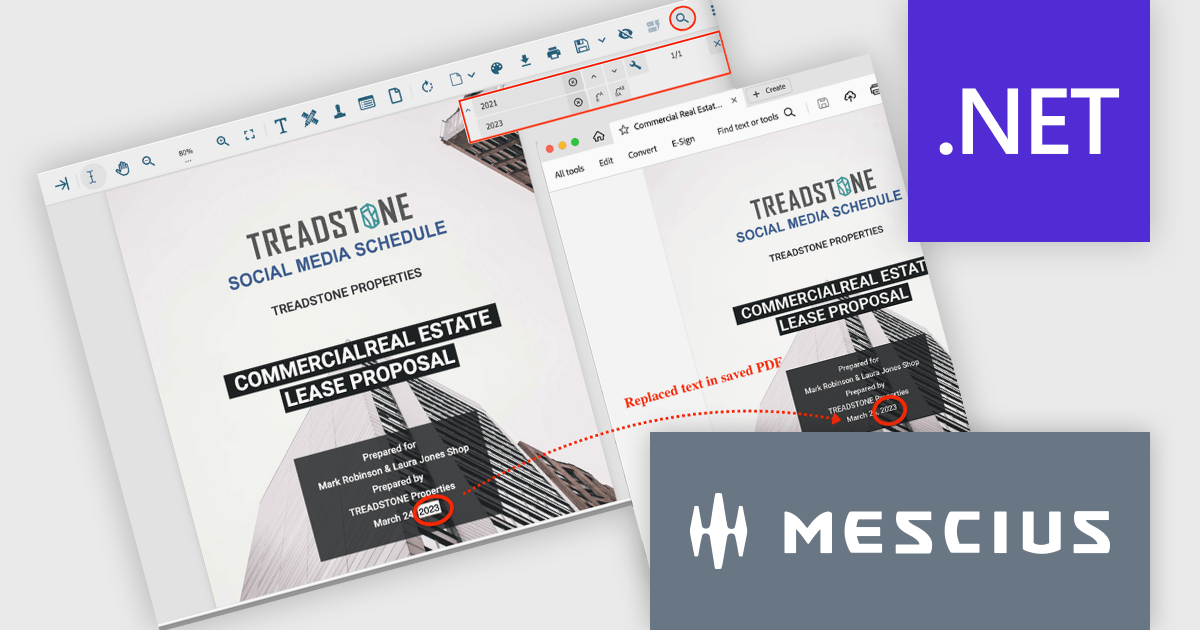
Document Solutions for PDF (DsPdf) by MESCIUS is a powerful .NET library for creating, managing, and manipulating PDF documents within applications. It supports advanced text and font management, multilingual capabilities, annotations, form fields, and the integration of graphics, images, and multimedia elements. With features such as document merging, content redaction, file compression, and digital signatures using X.509 certificates, DsPdf offers a comprehensive toolkit for modern PDF workflows. Compatible across Windows, macOS, and Linux, it also includes a JavaScript PDF Viewer for seamless viewing and editing within web applications, ensuring flexibility and performance for diverse use cases.
The Document Solutions for PDF 8.0.0 update brings advanced tools for the PDF viewer (DsPdfViewer) that greatly improve text management in PDF documents. Developers can now perform streamlined text replacement directly through the enhanced Search bar, offering precise control for individual or bulk edits. A new keyboard shortcut (Ctrl+H) enables quick access to replacement mode, further boosting efficiency. Powered by SupportApi, these features deliver robust editing capabilities, ensuring a smooth and productive development process while minimizing reliance on external tools.
To see a full list of what's new in version 8.0.0, see our release notes.
Document Solutions for PDF is licensed per developer and is available in several license options for differing distribution needs. Team licenses are also available for multiple developers within the same organization. See our Document Solutions for PDF licensing page for full details.
Document Solutions for PDF is available individually or as part of Document Solutions .NET Bundle.
電話: (888) 850 9911
Fax: +1 770 250 6199


